

In recent years, Texas has faced multiple extreme weather events that have left communities contending with the aftermath of drought and destruction. The fight against drought not just poses challenges for local ecosystems but also affects agriculture, water supply, and the very livelihoods of Texans. As the state moves toward recovery, restoration efforts are crucial in returning life back to parched lands and revitalizing communities affected by these climate shifts.
The journey from dust to life requires a collaborative approach. Residents, local governments, and environmental organizations are coming together to execute innovative strategies aimed at countering the impacts of drought. From improving water conservation techniques to restoring natural habitats, these efforts underscore Texas's resilience and resolve to reclaim its vibrant landscapes and ensure a sustainable future for future generations.
Assessment of Damage
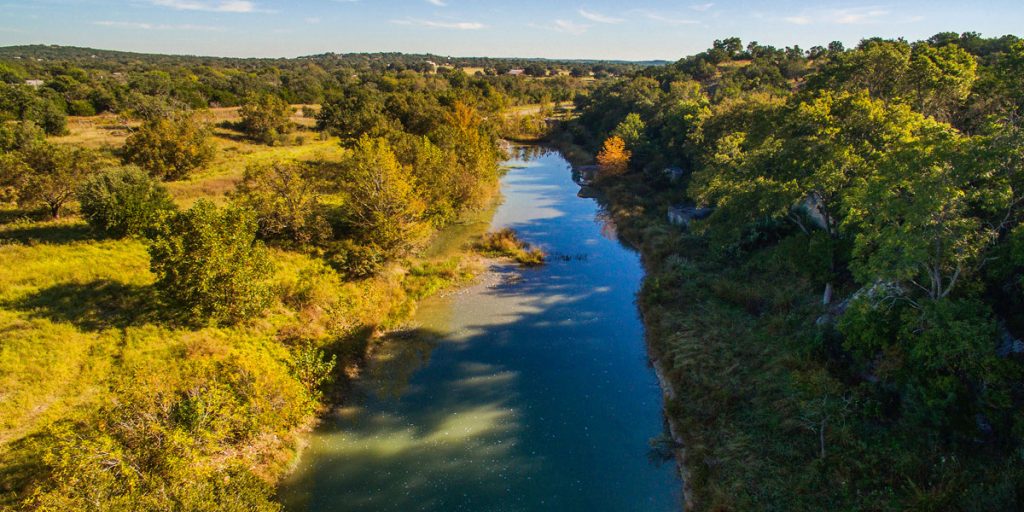
The latest arid conditions in Texas have led to considerable ecological impacts, influencing both the landscape and local communities. Amid heightened temperatures and prolonged drought, vegetation has experienced from extensive water stress, leading to widespread die-offs of indigenous plants. This not only disturbs the ecosystem but also heightens the risk of soil erosion and land degradation, further complicating restoration efforts.
In addition to environmental concerns, Texas communities are struggling with the aftermath of the drought on their systems. Texas Dry Out Round Rock TX have weakened local supply systems, leading to an rise in competition for limited resources. Many towns have experienced reduced agricultural output, immediately impacting livelihoods and food supply chains, highlighting the urgent need for comprehensive analysis and response strategies.
Furthermore, economic ramifications are clear as businesses dependent on agriculture and tourism face downturns. The cumulative effect of the drought has highlighted the vulnerability of Texas to climate extremes, prompting requests for proactive measures to analyze damages and plan restoration initiatives. Addressing these challenges is vital in fostering resilience and ensuring sustainable recovery for both the environment and the local economy.
Revitalization Approaches
Revitalization efforts in Texas concentrate on a comprehensive approach that evaluates both short-term and sustained needs. Communities throughout the state have engaged in programs to restore local ecosystems and upgrade water management systems. This includes the restoration of wetlands, which serve as natural absorbers to absorb rainfall and mitigate flooding. By developing these natural infrastructures, Texas aims to enhance its ability against future droughts and storms, promoting a more sustainable environment.
In concomitant with ecosystem restoration, Texas has established community-driven initiatives that enable residents to take an active role in their own restoration projects. These initiatives often feature tree planting campaigns and native landscaping workshops, promoting biodiversity and restoring natural habitats. Engaging local volunteers not only contributes to restoring the landscape but also instills a sense of ownership and responsibility toward safeguarding the environment. This community-based approach has been fundamental in ensuring that restoration efforts are tailored to the individual needs of each community.
Funding and collaboration are also key components of the reclamation efforts in Texas. State and federal agencies, together with non-profit organizations, have pooled resources to support large-scale restoration projects. Grants and financial incentives motivate farmers and landowners to adopt sustainable practices that enhance soil health and reduce erosion. Through partnerships and collaborative objectives, Texas is working towards a comprehensive restoration that not only addresses the short-term impacts of drying but also builds a framework for a resilient future.
Community Involvement
The revitalization efforts throughout the state of Texas has revealed an inspiring exhibition of community involvement. Regional residents have come together to create grassroots organizations that concentrate on revitalizing neighborhoods and replanting indigenous vegetation. These projects not only seek to restore the environmental landscape but also cultivate a spirit of cohesion among community members. Volunteers of various ages work side by side, exhibiting their dedication to reviving their surroundings and aiding one another through this challenging process.
Alongside tangible restoration activities, a lot of community members have taken action to extend emotional support and assistance to those affected by the dry conditions. Workshops and outreach programs have been organized to inform residents about sustainable practices and water conservation techniques. This exchange of information empowers individuals to take initiative of their position in the environment and encourages a culture of collaboration. The flow of ideas and collective support has become a key component of the community's resilience.
Further, local businesses are taking their role in the restoration efforts by sponsoring events and offering resources for volunteer projects. Several companies have dedicated a portion of their profits to support environmental initiatives, highlighting their commitment to the welfare of the community. This partnership between businesses and residents not only supports in restoration but reinforces the local economy, showcasing the power of collective action in the face of difficulties.